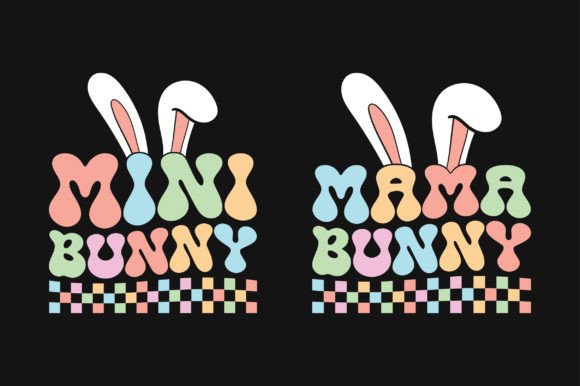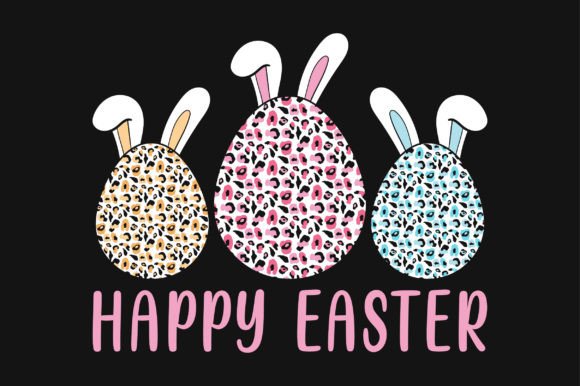
Happy Easter SVG Sublimation T-Shirt
As a designer who spends more time than I care to admit staring at stitch density charts and debating thread color palettes, I don’t just look at a file; I look at how it will behave on fabric. When I first pulled up the Happy Easter SVG Sublimation T-Shirt design, my initial reaction was less about the holiday itself and more about the structural integrity of the vector shapes. In the world of digital craft assets, especially within the Crafts and Graphics categories, there is a vast difference between a jagged, low-resolution image and a clean, scalable vector that respects the mechanics of embroidery.
This particular design caught my eye not because of flashy embellishments, but because of its promise of versatility. The description highlights that it is made with 100 vector shapes and is easily resizable. For an embroiderer, this is the holy grail. It suggests a design that can be scaled down for a baby onesie or blown up for a large tote bag without losing its visual soul. But does it hold up when translated from screen to stitch? Let’s break down the practical application of this machine embroidery design.
The First Impression: Mood and Layout
The title "Happy Easter SVG Sublimation T-Shirt" might suggest a focus on sublimation printing, which is a dye-transfer process, but as an embroidery reviewer, I am looking at how these vector elements translate into thread. The layout feels balanced, avoiding the cluttered aesthetic that often plagues holiday-specific designs. There is a sense of lightness to it. It doesn’t scream for attention with overly complex borders; instead, it relies on clear, distinct shapes.
This clarity is crucial. When you are working on a custom apparel project, whether it’s a sweatshirt or a cap, the viewer’s eye needs to find the focal point quickly. This design provides that. The mood is cheerful but not chaotic. It feels appropriate for a springtime collection, fitting naturally into the narrative of renewal and celebration that defines the Easter season. For an Etsy seller or a small shop product owner, this kind of cohesive visual personality helps build brand consistency. It looks professional, not like a clip-art collage.
Real-World Application: Where Does It Fit?
I spent some time mentally mapping out where this embroidery file would thrive. The most obvious application is, of course, apparel. However, limiting it to just t-shirts would be a disservice to its potential. Because the shapes are vector-based, it adapts beautifully to textured fabrics.
- Tote Bag Design: Imagine this stitched onto a heavy canvas tote. The crisp lines of the vector shapes would contrast nicely against the rough weave of the fabric, creating a high-end boutique feel.
- Baby Embroidery: Scaled down, this design could work wonderfully on a burp cloth or a small muslin blanket. The soft, simple shapes are gentle on the eyes and safe for delicate items.
- Holiday Embryoidery on Home Goods: A tea towel or a pillow cover benefits from the horizontal flow often found in these types of graphic designs. It adds a festive touch to a kitchen or living room without overwhelming the space.
- Embroidered Patch: If you are creating patches for denim jackets or backpacks, the defined edges of the vector shapes make it easy to plan the satin stitch around the perimeter.
I also considered the commercial embroidery angle. Small business owners often look for designs that can be produced quickly and consistently. A design with clear separation between elements allows for efficient stitching paths, reducing thread waste and machine time. This efficiency translates directly to profit margins, making it a smart asset for any craft business.
Technical Considerations and Potential Pitfalls
No design is perfect, and transparency is key in a review. While the vector structure is promising, there are areas where caution is required. The term "sublimation" in the title often implies bright, all-over prints. Translating that vibrant, solid-color aesthetic into thread requires careful planning.
Fabric Texture and Stability: If you attempt to stitch this on a stretchy knit fabric without proper support, you risk distortion. You must use a stabilizer that matches the weight and stretch of your fabric. For a lightweight jersey t-shirt, a tear-away or cut-away stabilizer might be necessary to prevent puckering. On a structured cotton canvas, you have more freedom, but you still need to anchor your design properly.
Dense Stitch Areas: Although the design is described as having 100 vector shapes, I cannot verify the exact stitch count or density without testing it in my software. If the design relies heavily on fill stitch for large blocks of color, it may become stiff and uncomfortable to wear. I recommend checking the digitization to ensure that the stitch density is appropriate for the final product. If it feels too dense, consider using a satin stitch outline approach or breaking up large fill areas with negative space.
Small Details and Lettering: Always inspect the smallest details before committing to a production run. Tiny text or intricate inner shapes can get lost in the thread or merge together if the hoop size is too small. If you are aiming for a tiny detail on a hat brim, test it first. If the details are too fine, they might look muddy rather than sharp.
Color Strategy and Visual Appeal
One of the strongest selling points mentioned is the ease of changing colors. This is vital for an embroidery project that aims for broad appeal. Easter is associated with pastels—mint greens, soft pinks, buttery yellows—but it can also be adapted for bold, modern aesthetics using navy blues and bright oranges.
When selecting your thread colors, remember that thread has a sheen that digital screens do not. A matte gray on screen might look flat in thread, while a metallic gold can add a luxurious touch. I advise creating a few mockups with different thread combinations. Test the design in black and white to check the contrast levels. If the shapes blend together without color, the design lacks sufficient contrast and may need adjustment in the digitizing phase.
The visual appeal of the final product also depends on the background fabric. On dark fabric, lighter threads pop, but you may need a underlay stitch to make the colors true. On light fabric, darker threads provide definition. Understanding this interplay is what separates a hobbyist from a professional apparel decorator.
Practical Designer Notes for Success
Before you load this digital embroidery file into your machine, here is a checklist to ensure success:
- Test on Scrap Fabric: Never start on your final product. Use a scrap piece of the same material to check tension, stability, and overall look.
- Confirm Hoop Size: Ensure the design dimensions fit comfortably within your machine’s hoop, leaving enough margin for stabilization.
- Review Licensing: Since this is a digital asset, verify the commercial license terms. Can you sell finished items? Can you sell the digital file itself? This is critical for Etsy sellers and online stores.
- Check File Formats: The inclusion of AI, EPS, SVG, and PNG files is excellent. It means you can edit the vectors in Illustrator or CorelDRAW to customize colors or sizes before converting them to your specific embroidery format.
- Inspect Small Details: Zoom in on the vector file. Are there any overlapping paths that might cause stitching errors? Clean up any unnecessary nodes if you have editing capabilities.
Final Verdict
The Happy Easter SVG Sublimation T-Shirt design offers a solid foundation for a variety of handmade products. Its vector nature ensures scalability, and its balanced layout makes it suitable for both personal gifts and commercial merchandise. It is not a one-size-fits-all solution, as every fabric and machine behaves differently, but with careful testing and thoughtful color selection, it can yield beautiful results.
For the creative entrepreneur looking to expand their spring collection, this design provides a versatile starting point. It encourages experimentation with different fabrics and thread choices, allowing you to create a unique finished product that stands out in a crowded market. Just remember to respect the technical limitations of embroidery, test thoroughly, and let the quality of your execution speak for itself.