Home Sign Svg Bundle Review
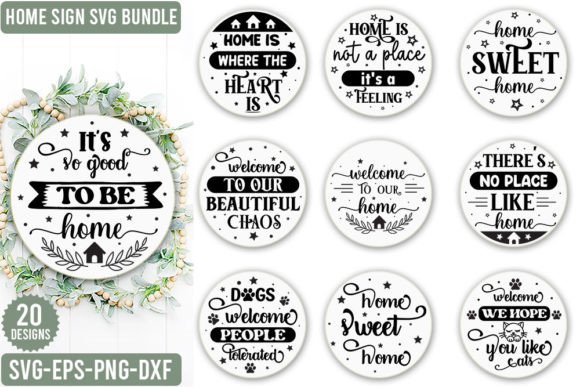
As a designer who spends half my life staring at stitch charts and the other half trying to sell handmade goods, I don’t just look for "pretty" designs. I look for viability. I need to know if a design will hold up on a busy weekend at a craft fair, if it translates well from screen to fabric, and if it adds enough perceived value to justify a price tag. That is exactly why I took Home Sign Svg Bundle for a spin before recommending it to my network of Etsy sellers and fellow makers.
This isn’t just about having another digital asset in your library. It’s about understanding how a specific aesthetic—the cozy, welcoming vibe of a home sign—performs when subjected to the physical realities of machine embroidery. Below is my practical breakdown of how this bundle fits into real-world projects, where it shines, and where you might want to tread carefully.
First Impressions: The Mood and Visual Personality
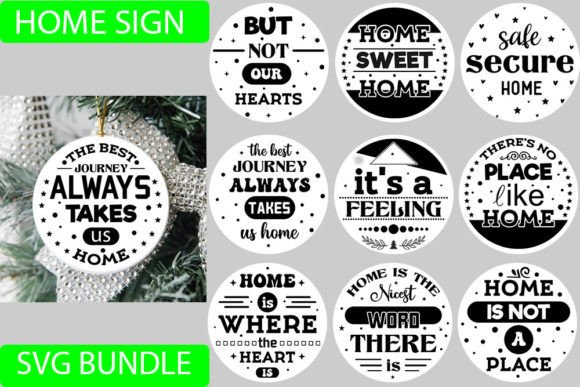
When you unzip the package containing 15 SVG files, along with PNG, EPS, and DXF formats, the immediate takeaway is cohesion. In the world of crafts and graphics, consistency is key. A disjointed collection feels like a discount bin; a cohesive one feels like a curated boutique line.
The visual personality here leans heavily into warmth. These aren’t stark, modernist geometric shapes or aggressive bold fonts. Instead, they evoke that "hygge" feeling we see trending in nursery decor and kitchen aesthetics. The lines are generally clean, suggesting that when digitized, the resulting machine embroidery design should have good definition. For an Etsy seller, this matters because customers buy the feeling first and the product second. A design that screams "cozy home" instantly connects with buyers looking for personalized gift items for housewarmings or new parents.
The layout variety within the bundle is also worth noting. Having multiple variations means you aren’t locked into a single composition. You can mix and match elements to create unique listings, which helps avoid the "same as everyone else" trap that plagues many small shop products.
Real-World Application: From Screen to Stitch
Let’s talk about how this performs in actual production scenarios. I often use these types of designs for custom tote bag design projects and sweatshirt embroidery. Here is how the Home Sign Svg Bundle holds up in those contexts.
- Custom Apparel and Sweatshirts: The scale of most signs in this bundle works beautifully on the chest area of crewnecks or hoodies. Because these are vector-based sources (SVG/EPS), you can easily resize them without losing quality. This allows you to test different placements digitally before committing thread to fabric. The design assets are versatile enough to work as a standalone center chest piece or as part of a larger layered composition.
- Baby Items and Nursery Decor: This is perhaps the strongest use case. Soft cotton onesies, muslin blankets, and nursery wall hangings benefit from the gentle aesthetic of these signs. When converted into an embroidery file, the curves likely translate well into soft satin stitch or delicate fill stitch areas, creating a premium feel that parents are willing to pay a premium for.
- Kitchen Textiles: Tea towels and aprons are high-volume sellers. A well-placed home sign on a linen tea towel creates an instant handmade product upgrade. The contrast between the fabric texture and the dense stitching of the design can create a lovely tactile experience for the end user.
- Embroidered Patches: With the DXF and SVG files included, you can easily outline these designs for applique work. Creating an embroidered patch with a home sign motif allows for versatility—you can sew it onto denim jackets, caps, or bags, expanding the utility of the original graphic.
Strategic Considerations: Where to Use Caution
No design is perfect for every situation. As an experienced reviewer, I need to highlight where you might encounter friction during the production phase.
Hoop Size and Detail Level: Always check the bounding box of each SVG before importing it into your digitizing software. If a design has intricate details or small lettering, it may not render clearly in a small hoop size. Tiny details can merge together during stitching, turning crisp text into a blurry mess. If you plan to use this for custom apparel like caps or hats, be mindful of the curved surface area. Designs that rely on horizontal symmetry might distort if not properly adjusted for curvature.
Fabric Texture and Contrast: The success of any embroidery project relies heavily on thread color selection against the base material. On dark fabrics, you will need underlay stitches to make the colors pop, which increases the stitch density and potentially makes the fabric stiffer. On textured fabrics like heavy canvas or boucle wool, fine details might get lost. I recommend testing on scrap fabric first to ensure the thread colors provide enough contrast and that the fabric texture doesn’t interfere with the design’s clarity.
Washability and Durability: If you are selling finished goods intended for frequent washing, such as baby clothes or kitchen towels, ensure the digitization uses stable stitches. Avoid overly long running stitch lines that could snag. Dense fill stitch areas are generally more durable but can add weight to lightweight fabrics, causing them to droop over time.
Impact on Brand and Customer Trust
Using high-quality digital embroidery file sources like this bundle directly impacts your brand’s professionalism. When a customer receives a product where the stitching is clean, aligned, and visually pleasing, it builds trust. It signals that you care about the details.
Furthermore, having a cohesive set of designs allows for better printable mockup creation. You can showcase the same design on various backgrounds and products in your shop photos, creating a consistent visual narrative. This consistency helps with buyer engagement and recognition. Customers who love your "homey" style are more likely to return if they see a familiar aesthetic across your entire catalog.
Practical Designer Notes for Implementation
Before you start mass-producing, follow these steps to ensure the best results:
- Test on Scrap Fabric: Never go straight to the final product. Run the design through your machine on a similar fabric type to check for tension issues and thread breaks.
- Review Stitch Density: Inspect the digitized file (if you are digitizing yourself) or the output of your converter. Ensure the stitch density is appropriate for the fabric weight. Too dense, and the fabric puckers; too sparse, and the backing shows through.
- Check Licensing: While the bundle includes multiple formats ready for major software, always confirm the licensing terms regarding commercial use. Are you allowed to sell unlimited finished items? Is there a limit on the number of sales? This is crucial for protecting your craft business.
- Stabilizer Selection: Use the correct stabilizer for your project. Tear-away for stable wovens, cut-away for knits and stretchy fabrics. The wrong stabilizer choice can ruin even the best design assets.
- Black and White Mockups: Convert your designs to black and white to check the balance and readability. Sometimes color hides poor composition. If it looks good in grayscale, it will look great in color.
In conclusion, the Home Sign Svg Bundle is a solid investment for designers looking to tap into the evergreen market of home decor and personalized gifts. It offers the flexibility needed for various applications, from holiday embroidery collections to year-round commercial embroidery projects. Just remember: the file is only half the battle. Your attention to detail in digitizing, fabric selection, and finishing will determine whether this design becomes a bestseller or a forgotten file in your folder.