Hoppy Teacher Retro SVG: A Designer’s Review
As a designer who spends more time than I care to admit staring at stitch lines and debating thread color palettes, I approach every new embroidery file with a mix of excitement and skepticism. The market is flooded with clipart that looks cute on screen but falls apart under the needle. That is why I treat every download as a potential client project before it ever touches my hoop. Today, I am evaluating the Hoppy Teacher Retro SVG to see if it holds up in real-world applications for custom apparel, personalized gifts, and small business merchandise.
This item arrives as a zip containing separate files in formats like SVG, EPS, DXF, and PNG. For those of us working in vector software or digitizing workflows, having an EPS File for Illustrator and an editable SVG File is crucial. The promise of 100% editable and color-changeable assets suggests flexibility, which is exactly what a professional needs when adapting a design for different fabric backgrounds or brand guidelines. But does the visual personality survive the transition from digital asset to physical embroidery?
First Impressions and Visual Mood
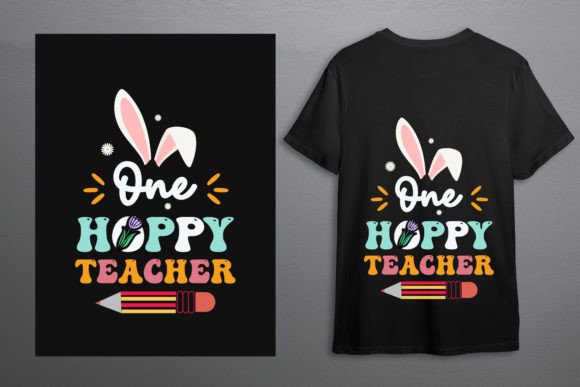
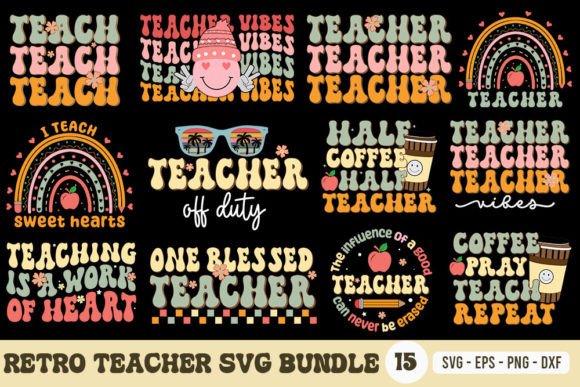
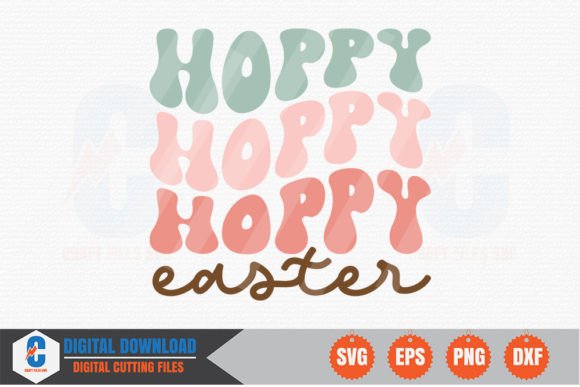
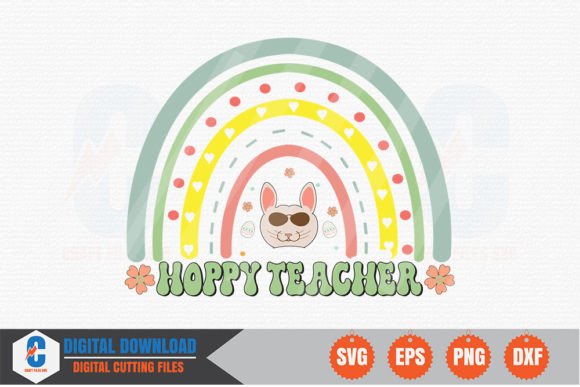
The moment you open the file, the retro aesthetic hits you. The term "Retro" in the title isn't just a buzzword here; it dictates the entire visual structure. The shapes are bold, the lines are clean, and the theme taps into that nostalgic, warm feeling associated with vintage school supplies or classic classroom decor. This mood is incredibly powerful for specific niches. It feels right at home on a tote bag design for a teacher appreciation gift or as a centerpiece on a cozy sweatshirt embroidery piece.
From a layout perspective, the design balances negative space well. In embroidery, negative space is your friend—it prevents the fabric from becoming stiff and heavy. The Hoppy Teacher Retro SVG seems to rely on strong silhouettes rather than overly intricate linework, which is a smart choice. It creates a distinct visual identity that reads clearly even from a distance. This clarity is vital for commercial embroidery where the product needs to grab attention quickly on platforms like Etsy or at craft fairs.
Real-World Application Scenarios
Let’s talk about how this design performs when we move beyond the screen. Imagine you are preparing a batch of custom embroidered patches for a local boutique. The Hoppy Teacher Retro SVG translates beautifully to an embroidered patch. The retro style pairs exceptionally well with traditional satin stitches, giving the edges a polished, durable finish. Whether you are using it for a cap, a jacket back, or a laptop sleeve, the design has enough weight to stand out without overwhelming the garment.
Consider the holiday season. Teachers and educators are always looking for meaningful ways to celebrate their profession. This design could easily be adapted for holiday embroidery projects, such as festive tea towels or kitchen aprons. The playful nature of the hoppy theme adds a touch of whimsy that makes for a fantastic personalized gift. When you present this as a handmade product, the emotional connection is immediate. Customers don’t just buy an apron; they buy a sentiment. The design supports that narrative perfectly.
For the Etsy seller or small shop product creator, versatility is key. This file can serve as a base for various items. You might use the core graphic on a baby onesie (baby embroidery), scale it up for a large pillow cover, or use smaller elements for decorative accents on a blanket. The fact that it is provided as a digital embroidery file allows you to create multiple listings from a single purchase, maximizing your return on investment. However, always ensure you have the correct licensing for commercial use before listing these items.
Technical Considerations and Stitch Quality
No matter how pretty a design looks in a mockup, its success depends on execution. When digitizing or preparing the Hoppy Teacher Retro SVG for stitching, several technical factors come into play. First, look at the stitch density. Retro designs often benefit from a medium density that allows the fabric texture to show through slightly, adding depth. If the fill areas are too dense, the final product may feel stiff and uncomfortable, especially on garments like t-shirts or delicate fabrics.
You must also consider the hoop size. While the file is scalable, extreme scaling can introduce pixelation in raster previews or cause alignment issues in vector editing. Test the design within your machine’s standard hoop limits. Pay close attention to any tiny details or small lettering. If the design includes text, ensure the font weight is sufficient for the chosen thread colors. Thin lines can break during stitching or become lost in the fabric weave, particularly on textured materials like fleece or heavy cotton.
The choice of stabilizer is equally important. For stretchy fabrics like jersey knits used in t-shirts, a cut-away stabilizer is usually necessary to prevent distortion. For woven fabrics like canvas totes, a tear-away might suffice depending on the design's stability. Always run a test stitch on scrap fabric that matches the final material. This step allows you to check thread contrast and adjust tension before committing to the final product.
Where to Use With Caution
While this design is versatile, there are contexts where it requires careful handling. Avoid using complex versions of this design on highly textured fabrics, such as terry cloth or boucle, unless you are experienced with troubleshooting. The texture can interfere with the needle penetration, leading to skipped stitches or uneven coverage. Similarly, be cautious with dark fabrics. If the original design relies on light background colors for contrast, you will need to add a backing or change the thread palette significantly to maintain visibility.
Curved surfaces like caps present another challenge. The flat nature of a digital file does not account for the curvature of a hat crown. You may need to adjust the design path or use specialized cap hoops to ensure the image sits correctly without warping. Additionally, if you plan to wash these items frequently, ensure that the design is robust. Delicate running stitches or very fine details may fray over time, so opt for denser fills or reinforced edges for high-use items like aprons or tote bags.
Impact on Brand and Customer Trust
In the world of handmade goods, professionalism is everything. A well-executed embroidery project signals quality and attention to detail. Using a clean, well-structured design like the Hoppy Teacher Retro SVG enhances your brand consistency. When customers see a crisp, clear image on a finished product, their trust in your craftsmanship increases. They perceive the item as higher value, which can justify premium pricing.
Furthermore, the retro theme appeals to a broad demographic. It bridges the gap between nostalgia and modern minimalism, making it suitable for a wide range of buyers. Whether it ends up on a nursery wall hanging or a professional’s work bag, the design resonates. This versatility helps in building a cohesive collection. You can use similar design assets across different product lines, creating a recognizable style that buyers come to expect from your shop.
Final Verdict for Designers
The Hoppy Teacher Retro SVG is a solid addition to any designer’s library. Its strength lies in its clear visual communication and adaptability across various mediums. From craft business items to design assets for larger projects, it offers good value. The inclusion of editable vector files means you aren't locked into a rigid interpretation; you can tweak colors, sizes, and layouts to suit specific client needs.
However, remember that the file is just the starting point. The magic happens in the stitching. Take the time to test, adjust, and perfect your setup. Check your thread colors against your fabric swatches. Inspect the stitch density to ensure durability. By doing your due diligence, you transform a simple digital download into a cherished finished product. For anyone looking to expand their offerings in the Graphics and Crafts sectors, this design provides a reliable foundation for creative exploration.