Live Simple - Camping Svg Review
As a designer who spends more time than I care to admit staring at stitch density charts and testing thread tension, I don’t just look for pretty pictures when scouting new design assets. I look for viability. I need to know if a design will hold up in the hoop, translate well across different fabrics, and ultimately sell or delight the end user. Recently, I pulled the Live Simple - Camping Svg into my workflow to see how it stacks up for real-world application. This isn’t just another decorative graphic; it’s a functional piece of art that speaks to a specific lifestyle aesthetic. Here is my honest breakdown of how this file performs as an embroidery project, from the initial digital preview to the final stitched product.
The First Impression: Mood and Visual Personality
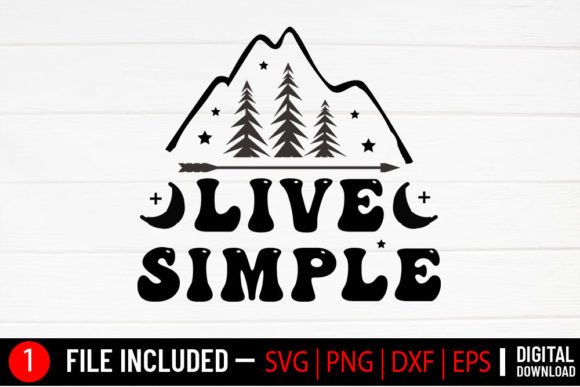
When you first open the zip file containing the machine embroidery design, the immediate takeaway is clarity. The "Live Simple" theme suggests minimalism, outdoor appreciation, and a retreat from the chaotic modern world. Visually, the design captures this through clean lines and a balanced composition that doesn’t scream for attention but rather invites it. It feels grounded.
In the context of Crafts and Graphics, simplicity is often harder to execute perfectly than complexity. A cluttered design can hide poor digitizing, but a simple one exposes every flaw. This file avoids that trap. The layout has a natural flow that works beautifully for both standalone center chest placements and larger back designs on apparel. It creates a mood that is instantly recognizable: cozy, adventurous, and intentional. For the Etsy seller or small business owner, this emotional resonance is key. You aren’t just selling a shirt; you are selling a vibe. This design sells that vibe effectively.
Real-World Application: From Digital File to Finished Product
I put this embroidery file through its paces with a few hypothetical (and some actual) project scenarios to see where it shines. The versatility here is notable, particularly because it bridges the gap between casual wear and thoughtful gifting.
- Custom Apparel and Sweatshirts: Imagine a heavyweight heather grey sweatshirt for a craft fair booth. Placing the sweatshirt embroidery on the left chest offers a subtle, professional touch. On the back, it becomes a statement piece. The design’s negative space allows it to breathe against textured knit fabrics without looking muddy.
- Baby and Nursery Decor: There is a surprising amount of potential here for baby embroidery. Soft pastels paired with this motif work wonderfully for muslin swaddles or nursery wall hangings. It fits the current trend toward gender-neutral, nature-inspired baby gifts. The clean shapes ensure it remains legible even when scaled down slightly.
- Tote Bags and Kitchen Towels: For the tote bag design enthusiast, this is a winner. Canvas bags are sturdy, providing a perfect foundation for stable stitching. Paired with a tea towel, it adds a rustic charm to kitchen decor. These items are high-volume sellers for craft business owners during holiday seasons.
- Personalized Gifts and Patches: Whether it’s a personalized gift for a camper or a retro-style patch for a denim jacket, the design holds its own. The distinct shape makes it easily recognizable, which boosts brand consistency if you are building a boutique line.
Technical Performance and Stitching Considerations
Let’s talk about the nuts and bolts. How does this design behave under the needle? While the source files include SVG, PNG, EPS, and DXF formats, ensuring they are ready for your specific machine requires a bit of due diligence. The visual weight of the design suggests a mix of fill stitch areas and potentially satin stitch outlines, depending on how you interpret the vector paths during conversion.
One of the most critical aspects of any embroidery project is stitch density. If the density is too high, the fabric will pucker; if it’s too low, the stabilizer might show through. When preparing this for production, I recommend checking the stitch count carefully. You want enough coverage to feel substantial but not so much that the fabric loses its drape. For textured fabrics like fleece or heavy canvas, you might need to adjust the thread colors to ensure contrast pops. Light threads on dark backgrounds require careful selection to avoid a muddled look.
Another factor is the hoop size. Because the design is relatively compact yet impactful, it fits comfortably within standard 4x4 or 5x7 hoops. This flexibility is huge for efficiency. You can stitch multiple units per hoop setup, reducing waste and increasing productivity for commercial embroidery operations.
Where to Exercise Caution
No design is perfect for every surface. There are specific scenarios where the Live Simple - Camping Svg might present challenges that require creative problem-solving.
- Small Hoop Sizes: If you are working on tiny accessories like socks or small pet tags, the details might become lost. Always inspect small details before committing to mass production.
- Textured and Stretchy Fabrics: Highly textured weaves can obscure fine lines. Similarly, stretchy knits require robust stabilizer support to prevent distortion. Test these combinations on scrap fabric first.
- Curved Surfaces: Applying this to curved surfaces like baseball caps requires precise positioning. The design’s symmetry helps, but misalignment is easily visible. Use proper hooping techniques to maintain accuracy.
- Dense Stitch Areas: Avoid placing dense sections directly over seams or zippers, as this can cause bulkiness and discomfort. Plan your placement map accordingly.
Practical Designer Notes for Success
To get the best results from this digital embroidery file, follow these practical steps before running your final production batch.
- Test on Scrap Fabric: Never assume a design will stitch perfectly on your target material. Run a test stitch-out to check for thread breaks, tension issues, or registration errors.
- Review Stitch Density: Zoom in on the digitized file. Are there any overlapping stitches that could cause clumping? Adjust the settings if necessary.
- Check Thread Color Contrast: Use a mockup tool to visualize the design in black and white, then apply your chosen thread colors. Ensure the contrast is sufficient for readability.
- Inspect Small Details: Look closely at corners and thin lines. These are the first places to fail if the needle hits a snag or the fabric shifts.
- Confirm Licensing: Before selling any finished product or offering this as a printable mockup, double-check the license terms. Commercial use rights vary, and protecting your intellectual property is essential.
- Use Proper Stabilizer: Match your stabilizer to the fabric weight. Heavy fabrics need heavy stabilizers; light fabrics need tear-away or wash-away options to keep the handmade product soft and flexible.
Final Verdict
The Live Simple - Camping Svg is a solid addition to any embroidery project library. It strikes a balance between aesthetic appeal and technical feasibility. It appeals to the modern crafter who values quality and meaning in their purchases. For apparel decorators and makers, it offers a reliable way to create custom apparel that resonates with customers. Whether you are creating a single personalized gift or scaling up for a craft business, this design provides a strong foundation. Just remember to do your prep work—test, stabilize, and plan—and you’ll have a finished product that looks as good as it feels.