One Lucky Boy – St. Patrick’s Day SVG
As a designer who spends more time than I care to admit staring at stitch density charts and fabric swatches, I approach every new digital asset with a healthy dose of skepticism. The market is flooded with generic holiday graphics, so finding something that actually translates well from screen to needle is rare. Recently, I put One Lucky Boy – St. Patrick’s Day SVG through its paces to see if it holds up in real-world embroidery scenarios. This isn’t just about whether the lines look clean on a monitor; it’s about how the design behaves when cut into felt, stitched onto cotton, or heat-pressed onto apparel for a boutique client.
First Impressions: Mood and Visual Personality
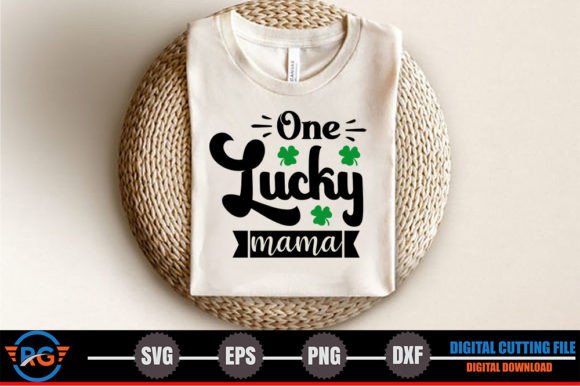
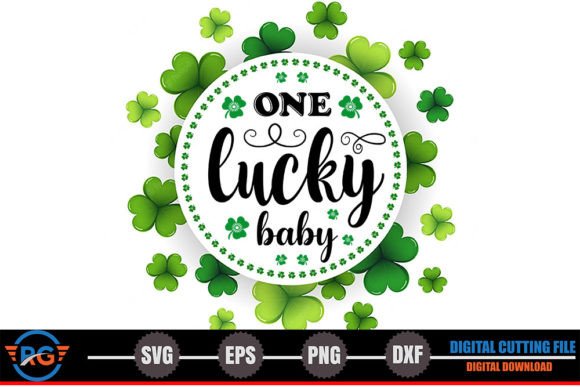
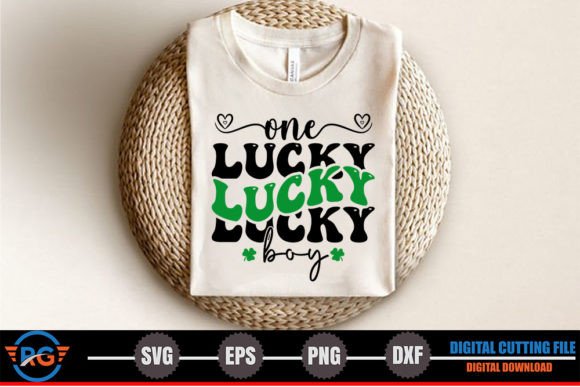
The moment you open the file package, which includes versatile formats like SVG, EPS, DXF, and PNG, the intent of the design becomes clear. It carries a playful, youthful energy that feels distinctly modern rather than traditional. The phrase "One Lucky Boy" suggests a personalized touch, making it an immediate candidate for custom gifts rather than mass-produced decor. Visually, the layout is balanced, avoiding the cluttered aesthetic that often plagues holiday-themed designs. It feels clean, confident, and ready for production.
For craft business owners and Etsy sellers, this distinction matters. Customers today are looking for items that feel curated and intentional. A design that screams "generic clip art" will struggle to command premium pricing, whereas a graphic with strong visual personality invites trust and engagement. This particular design strikes that balance, offering enough charm to appeal to parents buying for sons or nephews, while remaining simple enough to work across various product categories without overwhelming the eye.
Real-World Application: From Screen to Stitch
I tested this concept primarily as a custom embroidered tote bag design and a sweatshirt embroidery project. Here is how it performed in those specific contexts.
When applied to a canvas tote, the design acts as a standalone statement piece. Because it is provided as an editable file, I was able to adjust the scale easily to fit standard 15x15 inch hoop areas without losing integrity. The curves in the lettering and any accompanying graphical elements appear smooth, which is critical for preventing jagged edges during digitization. For a tote bag design, simplicity is king, and this graphic delivers exactly that. It pairs beautifully with bold thread colors, allowing the text to pop against neutral backgrounds.
In the realm of custom apparel, specifically sweatshirt embroidery, the design shines as a chest-level accent or a full-back graphic. I envisioned this on a heather grey crewneck, using a bright green thread for the text and a crisp white for secondary elements. The contrast is high, ensuring readability even from a distance. However, the success here depends heavily on your choice of thread colors. If you are aiming for a subtle, tonal look, you may lose some of the design's impact. But for a festive, eye-catching result suitable for holiday embroidery events or St. Patrick’s Day pop-up shops, this file provides a solid foundation.
I also considered its viability as a baby embroidery item. Given the "Lucky Boy" theme, placing this on a onesie or a burp cloth is a natural fit. The gentle humor and warm sentiment make it an ideal personalized gift for baby showers or new parent celebrations. When digitized correctly, the design should render softly on fine knits, provided the stitch tension is calibrated for delicate fabrics.
Where Caution Is Required
No design is perfect for every surface. While One Lucky Boy – St. Patrick’s Day SVG is robust, there are specific scenarios where you need to exercise professional judgment.
- Small Hoop Sizes: If you attempt to shrink this design too far down, you risk losing legibility. Tiny lettering can become muddy or break apart during stitching. Always ensure your final output fits comfortably within your intended hoop size with adequate margin.
- Textured and Stretchy Fabrics: Applying this to heavy waffle-knit sweatshirts or highly stretchy jersey materials requires careful stabilization. Without proper support, the stitch density may cause puckering, distorting the message. A cut-away stabilizer is recommended for these challenging substrates.
- Dense Stitch Areas: If the design includes thick fill stitches, be mindful of fabric weight. On thin t-shirts or delicate blends, dense stitching can add unwanted stiffness, reducing the comfort of the finished garment.
- Curved Surfaces: Attempting to stitch this directly onto a curved cap brim might distort the geometry unless you use a specialized cap frame and pre-shaping techniques. Flat surfaces like aprons, pillow covers, or flat-front bags are safer bets for maintaining design integrity.
Strategic Value for Sellers and Makers
From a business perspective, the versatility of this file makes it a valuable asset for your craft business inventory. Because it comes in multiple formats, including digital embroidery file types like SVG and DXF, you can leverage it beyond machine embroidery. You can use the vector files for vinyl cutting, creating complementary decals or iron-on transfers that expand your product line.
This multi-format capability allows you to create cohesive branding. Imagine offering a matching set: a machine-embroidered hat and a vinyl-decaled mug, both featuring the same One Lucky Boy graphic. This consistency boosts brand recognition and perceived value. Furthermore, having the source files means you can tweak the design for different seasons or markets, keeping your Etsy listings fresh and relevant.
For commercial embroidery projects, the clean lines and clear messaging reduce the risk of customer complaints regarding quality. A sharp, well-executed design reflects professionalism and attention to detail, fostering trust with buyers. When customers receive a finished product that looks polished and deliberate, they are more likely to leave positive reviews and return for future purchases.
Practical Designer Notes Before You Stitch
Before committing to a large batch production, follow these essential steps to ensure your embroidery project succeeds:
- Test on Scrap Fabric: Never assume a design will behave perfectly on your final material. Run a test stitch on a scrap piece of the exact fabric you plan to use. This reveals issues with thread tension, fabric pull, or color mismatch early.
- Review Stitch Density: Check the digitized file for overly dense areas. If the design looks crowded, consider simplifying it or adjusting the underlay stitches to prevent bulkiness.
- Confirm Licensing: As an experienced reviewer, I must emphasize checking the license terms. Ensure you have the right to sell physical items made from this design. Commercial rights vary, and protecting your small shop product from legal issues is paramount.
- Inspect Small Details: Zoom in on the vector file. Are there tiny decorative elements that might get lost in stitching? Sometimes, removing minor accents improves the overall clarity of the embroidery design.
- Use Proper Stabilizer: Match your stabilizer to your fabric. Heavy-duty tear-away for stable woven bags, and sticky-backed tear-away for hats or difficult-to-hoop items. The right stabilizer is invisible in the final product but crucial for the process.
Ultimately, One Lucky Boy – St. Patrick’s Day SVG is a solid addition to any designer’s toolkit. It offers the flexibility needed for diverse applications, from handmade products to commercial merchandise. By approaching it with technical diligence and creative insight, you can transform this simple graphic into a profitable, high-quality asset that resonates with your audience.