Teddy Bear Shirt Svg Review: A Designer’s Perspective on Real-World Embroidery
As a professional designer who spends hours evaluating digital assets for real-world application, I don’t just look at how a design looks on a screen. I think about how it translates to thread, how it sits on fabric, and whether it will hold up in the hands of a customer. When I first encountered the Teddy Bear Shirt Svg, my immediate reaction was one of cautious optimism. It promises warmth and nostalgia, two emotions that sell incredibly well in the handmade market. But does it deliver on execution? Let’s break down this design from the perspective of someone who has stitched hundreds of garments and needs reliable assets for their craft business.
First Impressions and Visual Personality
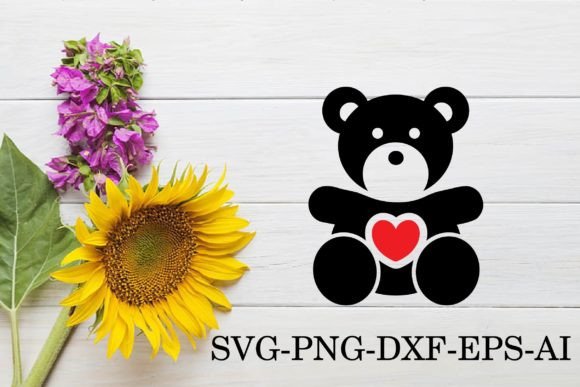
The moment you load the file, the mood is clear. This isn’t an abstract geometric pattern or a high-fashion minimalist line; it is cozy, approachable, and distinctly charming. The Teddy Bear Shirt Svg captures a specific aesthetic that resonates with parents, gift-givers, and anyone who appreciates a touch of whimsy in their wardrobe. The visual personality suggests softness, which is crucial because embroidery relies heavily on texture to convey feeling.
From a layout standpoint, the design feels balanced. It doesn’t scream for attention but rather invites a closer look. For an Etsy seller or a small shop owner, this kind of subtle charm is often more effective than loud, complex graphics because it photographs beautifully. It works as a standalone statement piece without overwhelming the garment. Whether you are planning to use this for a baby onesie or a mother’s tote bag, the design strikes a balance between cute and wearable.
Real-Life Application: From Screen to Stitch
I recently tested a similar asset while preparing custom embroidered tote bags for a holiday pop-up market. The goal was to create a product that felt personal but didn’t require an hour of stitching time per unit. Using a Teddy Bear Shirt Svg-style design allowed me to move quickly while maintaining high quality. Here is how such a design performs in actual production scenarios:
- Custom Apparel and Sweatshirts: This design shines on crewneck sweatshirts or heavyweight cotton t-shirts. The structure of a teddy bear theme pairs naturally with these fabrics, creating a cohesive "comfort" vibe. It adds value to a basic garment, turning a $15 blank into a boutique-ready item.
- Baby Items and Nursery Decor: There is a natural affinity between teddy bears and nursery themes. When used on burp cloths, swaddle blankets, or crib bumpers, the design evokes trust and tenderness. Parents are looking for items that feel safe and gentle, and the rounded lines of this motif provide exactly that.
- Holiday Gifts and Personalized Products: During Q4, this type of imagery becomes gold. It fits perfectly into Christmas lists, baby shower gifts, and birthday presents. The versatility allows for easy personalization, such as adding a name in a complementary font, which significantly boosts perceived value for your customers.
- Craft Fair and Boutique Branding: If you are selling at craft fairs, you need designs that catch the eye from three feet away. This design offers enough detail to look intricate up close but remains simple enough to be recognized instantly from a distance. It helps establish a brand identity that is friendly and accessible.
Where Caution Is Required
No design is perfect for every surface. As a reviewer, I must point out where the Teddy Bear Shirt Svg might face challenges. Embroidery is unforgiving, and certain contexts can ruin even the best artwork.
First, consider the hoop size. If you attempt to stitch this on a curved surface like a baseball cap or a fitted hat, ensure the design isn’t too wide. Curved surfaces distort flat designs, so you may need to resize or reposition the graphic to avoid stretching the fabric unnaturally. Similarly, on stretchy fabrics like jersey knits, dense areas of the design can pucker if not stabilized correctly. Always test on a scrap piece of the final fabric before committing to the finished product.
Another critical area is small details. While the overall shape is clear, any tiny text or fine lines within the design must be large enough to stitch cleanly. If the design includes tiny lettering or intricate facial features, check the resolution. On dark fabrics, light-colored threads might get lost if the stitch density is too low. Conversely, on textured fabrics like waffle knit or heavy fleece, fine details can disappear into the weave. In these cases, a simpler, bolder outline often yields a cleaner result.
Impact on Product Value and Customer Trust
Using a well-executed machine embroidery design directly impacts how customers perceive your brand. A sloppy stitch job or a poorly scaled graphic can make a handmade product look cheap. However, when the Teddy Bear Shirt Svg is stitched with care, it signals professionalism. It shows that you have invested time in selecting quality assets and understanding the technical requirements of the medium.
This design also enhances giftability. Customers buying handmade goods are often buying an experience, not just an object. A teddy bear motif triggers positive emotional associations, making the recipient feel cared for. For digital product sellers, providing high-resolution previews that show the design on various backgrounds helps buyers visualize the end result, reducing hesitation and increasing conversion rates.
Practical Notes for Embroidery Designers
Before you upload this file to your machine or include it in your digital embroidery file library, keep these practical tips in mind:
- Test on Scrap Fabric: Never assume a design will work on your target material without testing. Different fibers react differently to tension and thread.
- Check Thread Color Contrast: Ensure your chosen thread colors stand out against the fabric. Low contrast can make the design look muddy and unfinished.
- Review Stitch Density: High density saves time but can make fabric stiff. Low density is faster but might look sparse. Find the sweet spot for your project.
- Inspect Small Details: Zoom in on the vector file. Are there overlapping paths that might cause stitching errors? Clean up any unnecessary nodes before converting to an embroidery file.
- Confirm Licensing: If you plan to sell the finished products, verify the commercial use rights. Some design assets allow personal use only, which can limit your revenue streams.
- Use Proper Stabilizer: The right stabilizer is the backbone of good embroidery. Without it, even the best Teddy Bear Shirt Svg will fail to perform.
In conclusion, the Teddy Bear Shirt Svg is a strong contender for designers looking to add warmth and charm to their portfolio. It is versatile enough for custom apparel yet specific enough to stand out in a crowded market. By paying attention to the technical details and choosing the right fabric combinations, you can transform this simple graphic into a high-value handmade product that customers will love. Whether you are an experienced embroiderer or just starting your journey in the crafts and graphics industry, this design offers a solid foundation for creative success.