Thank You for Shopping Small, Sticker Review
As a designer who spends more time than I care to admit staring at stitch grids and testing thread tensions, I don’t just buy embroidery files because they look pretty on a screen. I buy them because they solve a problem, elevate a product, or add a touch of personality that customers will actually notice. When I first pulled up the Thank You for Shopping Small, Sticker design, my immediate reaction was less about the technical specs and more about the vibe. It screams boutique authenticity. In a market saturated with generic clipart and overly polished corporate logos, this design feels like a breath of fresh air for anyone running a small craft business or creating personalized gifts.
The First Impression: Why This Design Works
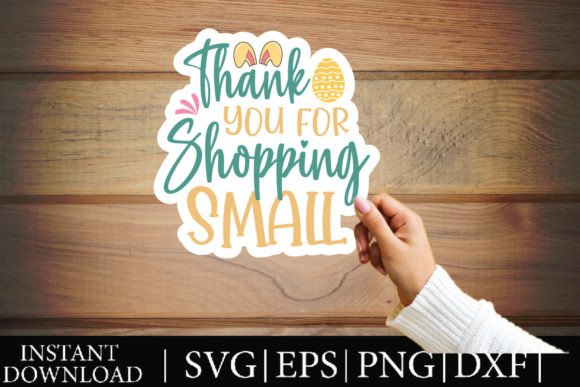
The visual personality of the Thank You for Shopping Small, Sticker is its strongest asset. It captures that specific "small shop" aesthetic that has become so popular on platforms like Etsy and Instagram. The layout mimics a classic sticker or seal, which immediately signals quality and care to the end consumer. For an embroiderer, this is crucial because it translates a digital concept into a tangible feeling of gratitude.
Mood-wise, it’s warm, inviting, and professional without being stiff. It doesn’t try too hard. The text is clear, and the implied shape suggests a focal point that works well as a chest logo on apparel or a centered accent on accessories. When you look at it, you can already imagine it stitched onto a kraft paper bag tag, a linen tote, or the cuff of a handmade sweatshirt. It bridges the gap between a simple graphic and a meaningful brand statement.
Real-World Application: Where It Shines
I’ve been thinking about how this machine embroidery design would perform in actual production runs, specifically for those of us selling handmade products. Let’s talk about a concrete scenario: preparing a batch of custom embroidered tote bags for a holiday market or an online Etsy listing.
Placing the Thank You for Shopping Small, Sticker on the front pocket of a canvas tote creates an instant connection. It tells the buyer, “I made this for you.” The design fits perfectly in standard 4x4 or 5x7 hoop sizes, making it efficient for bulk stitching. Because it relies on clean lines and readable text, it holds up incredibly well on sturdy fabrics like denim or heavy cotton. It elevates a basic $10 tote into a $25 branded item simply by adding that layer of personalization.
Beyond totes, this embroidery file is versatile enough for other high-demand items:
- Custom Apparel: As a left-chest logo on unisex t-shirts or oversized hoodies, it adds a subtle brand touch that isn’t overwhelming.
- Kitchen & Home: Stitched onto tea towels or aprons, it serves as a charming gift for housewarmings or weddings, fitting the "homey" aesthetic perfectly.
- Holiday Embroidery: While not strictly a holiday icon, the sentiment works year-round, but it pairs beautifully with seasonal colors during spring or summer sales events.
- Embroidered Patches: If you are creating detachable patches for backpacks or jackets, the sticker-like border provides a natural edge that looks finished even if the backing isn’t fully covered.
Visual Appeal and Product Value
From a branding perspective, using this design asset communicates trust. Customers associate handwritten-style or sticker aesthetics with artisanal care. When a buyer sees this on a handmade product, it reinforces the narrative of a small business owner who cares about every detail. It enhances the perceived value of the finished product, making it feel less like mass-produced merchandise and more like a curated piece of art.
Technical Considerations and Pitfalls
However, no design is perfect for every situation. As someone who has ruined good fabric with bad tension settings, I need to highlight where you should exercise caution with the Thank You for Shopping Small, Sticker.
Fabric Texture Matters: This design likely relies on smooth satin stitches for any borders or lettering outlines. If you plan to use this on highly textured fabrics like chunky chenille, bouclé, or loose-weave burlap, the details may get lost. The needle might struggle to penetrate thick fibers cleanly, leading to puckering or misaligned stitches. Stick to stable, medium-weight fabrics for the best clarity.
Small Hoop Limitations: If you are working with a very small hoop size, pay close attention to the lettering. Tiny text in embroidery can easily turn into illegible blobs if the stitch density is too high or the font is too condensed. Always check the spacing between letters. If the design includes tiny decorative accents, ensure your machine can handle the precision required.
Stretchy Fabrics: Using this on stretchy materials like jersey knits or spandex blends requires extra stabilization. Without a proper cut-away stabilizer, the hoop marks can remain visible, or the design can distort over time. The "sticker" shape implies a crisp outline, which can be difficult to maintain on curved surfaces like baseball caps unless you use a specialized cap frame and adequate hooping technique.
Practical Designer Notes for Success
Before you commit this digital embroidery file to a commercial project or a precious piece of fabric, follow these practical steps to ensure a flawless result.
- Test on Scrap Fabric: Never skip this step. Stitch the design on a scrap of the exact fabric you intend to use. This reveals how the thread colors interact with the material and whether the stitch density causes puckering.
- Check Thread Contrast: Ensure there is enough contrast between your thread and the fabric. A light gray thread on a white shirt might disappear, ruining the "sticker" effect. Dark threads on dark fabric can also lose definition.
- Review Stitch Types: Identify where the design uses satin stitch versus fill stitch or running stitch. Satin stitches are great for bold outlines, but if they are too wide, they can look bulky. Running stitches add texture but require careful tension adjustment.
- Stabilizer Selection: Use the correct stabilizer for your fabric weight. Heavy tear-away might leave residue on delicate fabrics, while lightweight water-soluble stabilizer might not support dense areas. When in doubt, consult the file instructions or test multiple options.
- Black and White Mockup: View the design in black and white on your computer. This helps you see the balance of positive and negative space without being distracted by color choices. It ensures the layout is visually balanced.
- Licensing Check: If you plan to sell finished items made with this design, double-check the license terms. Some graphics are for personal use only. Confirming commercial rights protects your craft business from legal issues.
Final Verdict
The Thank You for Shopping Small, Sticker is a thoughtful, well-executed addition to any embroiderer’s library. It captures the essence of modern, small-business charm and translates it effectively into thread. Whether you are creating personalized gifts for friends, building your own Etsy seller brand, or adding a final touch to a client’s custom apparel, this design delivers on both aesthetics and professionalism.
It is not a one-size-fits-all solution—it demands respect for fabric choice and proper hooping—but when executed correctly, it produces a finished product that feels intentional and high-quality. For designers looking to add a touch of warmth and authenticity to their work, this embroidery project is a smart, stylish choice.