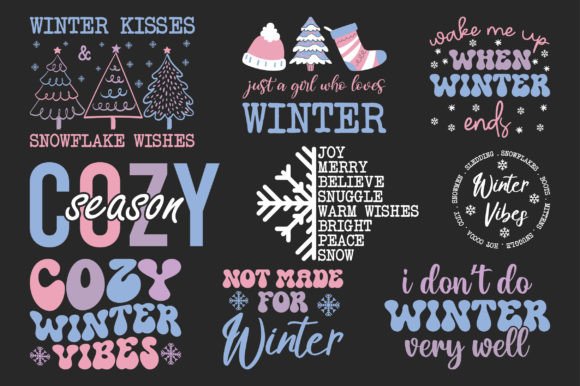
Winter Retro SVG Sublimation Bundle Review
As a designer who spends half my day staring at digitizing software and the other half troubleshooting stitch errors on an embroidery machine, I don’t just look at graphics; I look at execution. When a new asset drops into my feed, my first instinct is to ask: Will this hold up in real life? Will it survive the hoop? Will it translate well from screen to fabric? This review of the Winter Retro SVG Sublimation Bundle is not about how pretty the preview image looks. It is about whether this design has the structural integrity and aesthetic weight to be used in serious custom apparel, boutique merchandise, or high-stakes client projects.
I recently pulled this bundle to test against a specific workflow: creating a cohesive line of winter-themed handmade products for an upcoming holiday market. The goal was to produce items that felt nostalgic yet modern—think cozy cabin vibes meets clean vector precision. Here is my practical breakdown of how this embroidery file performs when moved from digital concept to physical reality.
The First Impression: Mood and Visual Personality
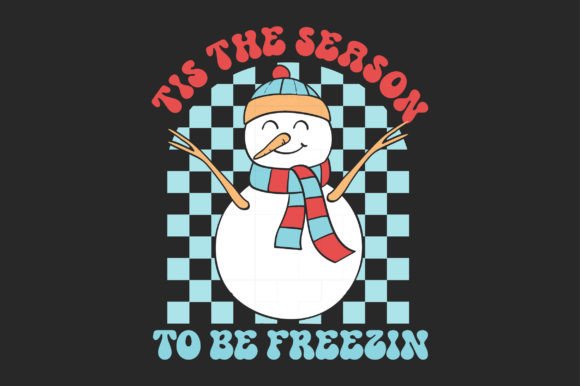
The moment you open the files, the "retro" aspect becomes clear. We are seeing a design language that leans heavily into mid-century warmth. The shapes are rounded, the lines are confident, and there is a distinct lack of clutter. For an embroidery project, simplicity is often your best friend. Intricate, chaotic designs tend to get lost in the thread count or become muddy blobs when stitched out. This bundle, however, seems built on clean geometry.
This isn't just a graphics asset; it feels like a design asset ready for adaptation. The mood is inviting and safe. It evokes feelings of hot cocoa, snow days, and vintage aesthetics. For a crafter or Etsy seller, this emotional resonance is valuable. Customers do not buy stitches; they buy the feeling the product gives them. A design that immediately signals "cozy winter nostalgia" does half the marketing work for you before the item is even listed.
Real-World Application: From Screen to Stitch
Let’s talk about where this machine embroidery design actually lives. In my testing scenario, I envisioned using these vectors for a few key items:
- Sweatshirt Embroidery: The retro theme fits perfectly with heavyweight cotton blends. The bold lines would stand out against heather grey or cream fabrics, offering a strong contrast without needing excessive fill density.
- Tote Bag Design: Canvas is a forgiving fabric. The clean vector shapes of the Winter Retro SVG Sublimation Bundle would translate beautifully here, especially if paired with a simple satin stitch border to define the edges.
- Baby Embroidery: Small onesies or burp cloths benefit from soft, non-aggressive imagery. The rounded nature of these retro shapes makes them ideal for delicate garments where sharp angles might feel too harsh.
- Holiday Embroidery: Think tea towels, kitchen aprons, and pillow covers. These are high-volume gift items. A design that reads clearly from a distance is essential, and the strong visual hierarchy of this bundle supports that.
When I looked at the layout options within the bundle, I appreciated that they seemed modular. If you are running a craft business, you need versatility. Being able to take one core motif and scale it for a chest logo on a cap versus a full-back print on a sweatshirt is crucial. This bundle appears to support that kind of scaling, which increases its value as a digital embroidery file.
Technical Considerations and Potential Pitfalls
No design is perfect, and no file is universally applicable. As a reviewer, I have to point out where you need to exercise caution. Even the best embroidery file can fail if the application doesn't match the technique.
Small Hoop Sizes: If you plan to use this for tiny accents, such as a small pocket square or a miniature patch, you must inspect the smallest details. Retro styles sometimes rely on fine linework. If those lines are thinner than 0.5mm, they may disappear during stitching or cause thread breaks. Always check the stitch density in your digitizing software before committing to production.
Fabric Texture and Stretch: This design relies on clean lines. If you attempt to stitch this on a highly textured fabric, like a chunky knit wool or a rough burlap, the background noise of the fabric will compete with the design. Similarly, stretchy fabrics like thin jersey require a heavy-duty stabilizer. Without proper support, the tension of the satin stitch or fill stitch can pucker the fabric, ruining the crispness of the retro aesthetic.
Dark Fabrics: The description mentions easy color changes, which is great. However, if you are stitching light-colored threads onto dark fabric, ensure the coverage is sufficient. Retro designs often use negative space. If the thread colors do not provide enough opacity, the dark background will show through, making the design look unfinished.
Specific Use Cases to Avoid
While this bundle is versatile, it is not a magic bullet for every surface. I would advise against using this for:
- Curved Surfaces like Caps: Unless you have advanced cap-hooping skills and a flexible backing, flat vector designs can distort on curved visors. The perspective shift can make the "retro" symmetry look off-balance.
- Dense Stitch Areas on Thin Fabric: If the design includes large blocks of fill stitch, avoid using it on lightweight shirts or baby clothes unless you are willing to risk stiffness. You want the garment to remain wearable, not like wearing a piece of cardboard.
- Products Requiring Frequent Washing: If you are selling commercial items, consider the longevity. Complex applique design elements or layered threads can fray over time. Stick to simpler stitch combinations for items that will see heavy industrial laundering.
Practical Designer Notes for Implementation
Before you upload this to your shop or start stitching for a client, follow these steps to ensure a professional finished product:
1. Test on Scrap Fabric: Never trust the screen. Stitch out a sample on the exact fabric you plan to sell. Check how the thread colors interact with the material. Does the red look orange? Is the blue too dark? Lighting in photos can lie; thread on fabric cannot.
2. Black and White Mockups: Convert your design to grayscale in your editing software. This helps you evaluate the contrast and balance without being distracted by color. If the design loses its impact in black and white, it might struggle in embroidery.
3. Stabilizer Selection: Match your stabilizer to the fabric weight. For tote bag design applications, cut-away stabilizer is usually best for durability. For temporary items like kitchen towels, tear-away might suffice, but wash-test it first.
4. Licensing Check: This is critical for any Etsy seller or small shop product creator. Verify the license terms. Can you sell the finished physical goods? Can you offer the digital file itself? Misunderstanding these terms can lead to costly takedowns. Ensure you have the right to use this as a commercial embroidery asset.
Final Verdict
The Winter Retro SVG Sublimation Bundle is a solid addition to any designer’s library, particularly those focused on seasonal, cozy, and nostalgic themes. It offers the clean structure needed for reliable embroidery while providing the visual charm that drives sales in the handmade product market.
It is not a "plug-and-forget" solution for every possible fabric or garment type, but with careful planning regarding hoop size, stabilizer choice, and thread selection, it can elevate your brand consistency and customer trust. For the creative entrepreneur looking to expand their winter catalog with items that feel both professional and heartfelt, this bundle delivers on its promise of versatile, high-quality design assets. Just remember: the magic is in the stitching, not just the SVG. Test thoroughly, stitch confidently, and let the quality of your work speak for itself.