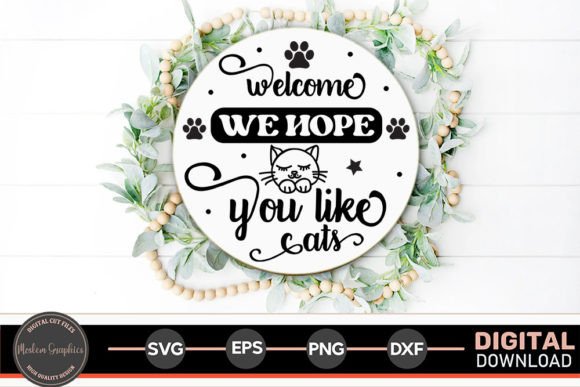
Welcome We Hope You Like Cats - Home SVG
When I sit down to evaluate a new digital asset for my embroidery studio, I am rarely looking for just "cute." I am looking for viability. Can this design hold up under the tension of a hoop? Will it translate cleanly from vector to thread? Does it have enough personality to justify a price tag on Etsy, or is it just another generic clip-art overlay? Today, I am putting Welcome We Hope You Like Cats - Home SVG through that same rigorous mental checklist. This isn't just about the graphic; it is about how this file behaves when it becomes a physical product in someone’s hands.
The First Impression: Mood and Layout
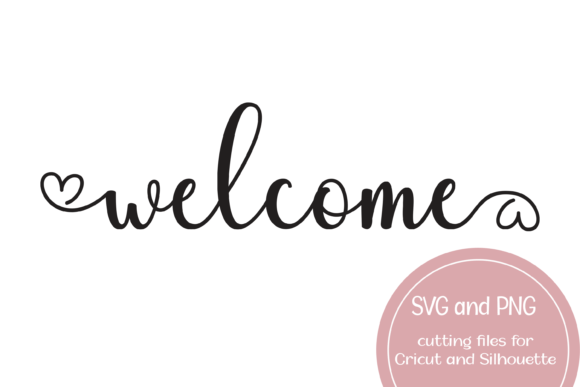
The title alone sets a specific tone. It is welcoming, slightly humorous, and deeply niche. In the world of home decor and apparel, specificity sells. A general "Welcome" sign is forgettable; a "Welcome We Hope You Like Cats" sign creates an immediate bond with a very specific demographic: cat lovers. As a designer, I appreciate this because it reduces the cognitive load for the buyer. They know exactly who this is for before they even look at the shape.
Visually, the layout appears to prioritize readability alongside charm. For an embroidery project, text-based designs are a double-edged sword. They can be incredibly effective for branding or personalization, but they require precise stitching to avoid looking sloppy. The phrase suggests a curved or centered alignment, which is forgiving on fabrics like tote bags or aprons where perfect straight lines are hard to maintain. The mood is cozy, inviting, and domestic. It feels right at home on a kitchen towel, a nursery wall hanging, or the front pocket of a sweatshirt.
Real-World Application: From File to Finished Product
Let’s talk about where this machine embroidery design actually lives. I recently considered using a similar concept for a custom order—a set of matching aprons for a couple who run a small bakery and happen to be obsessed with their three rescue cats. Here is how I envision Welcome We Hope You Like Cats - Home SVG performing in that scenario.
Custom Apparel and Tote Bags: This is likely the highest-volume use case. When applied to a canvas tote bag, the design acts as a statement piece. Because the text is the hero, it works well with a simple applique technique or a clean satin stitch outline if the lettering is bold. For a tote bag design, you want something that reads quickly from a distance. The humor in the phrase ensures the customer stops scrolling. On a sweatshirt embroidery project, placing this over the heart area or across the chest offers a subtle nod to the wearer’s personality without being overwhelming.
Home Decor and Textiles: Beyond clothing, this file shines in the realm of soft goods. Imagine this stitched onto a linen tea towel or a cotton pillow cover. The contrast between the rustic texture of the fabric and the crisp lines of the digital vector creates a professional finish. It elevates a $5 blank item into a $20 boutique product. For nursery decor, it adds warmth, suggesting a child-friendly environment. However, one must consider the longevity of the message. While "We Hope You Like Cats" is timeless for pet owners, it might feel dated if trends shift toward minimalism. Still, for a personalized gift, it hits the emotional mark perfectly.
Etsy Listings and Small Shop Products: If you are an Etsy seller or running a craft business, visual appeal is your currency. This design allows for excellent mockup creation. You can easily place it on various backgrounds—wooden tables, floral prints, or neutral walls—to create printable mockups that stop the scroll. It fits seamlessly into categories like holiday embroidery (as a quirky Christmas stocking) or wedding gifts (for the cat-loving couple). It provides a ready-made narrative for your product descriptions, making marketing easier.
Where Caution Is Required
No design is universally perfect, and Welcome We Hope You Like Cats - Home SVG has its limitations based on construction. I would advise extreme caution when attempting to stitch this on small hoop sizes. If the text is condensed to fit a 4x4 inch hoop, the individual letters may become too narrow, leading to puckering or misalignment. Similarly, avoid textured fabrics like heavy bouclé wool or thick chenille. The needle cannot penetrate these materials cleanly, resulting in skipped stitches and a muddy appearance.
Stretchy knits present another challenge. Unless you are using a sturdy cut-away stabilizer and perhaps a tear-away backup, the tension of the thread will distort the fabric, warping the words. Dark fabrics also require careful planning. If the design relies on light thread colors, you may need to add a stabilizing layer or choose a thicker fill stitch to ensure opacity. Finally, be mindful of tiny lettering. If the tail end of the sentence gets lost in the curve of a cap brim, the joke falls flat. Always inspect the smallest details in your digitizing software before loading them into the machine.
Technical Notes for the Embroidery Designer
Before you commit this file to production, there are several practical steps every serious maker should take. First, test the design on scrap fabric that matches your final material. This reveals issues with thread colors and stitch density that you cannot see on a screen. Check whether the running stitch areas are dense enough to prevent the backing from showing through, or if they are too sparse and prone to tangling.
I also recommend testing the design in black and white within your software. This helps you evaluate the balance of negative space versus positive stitch area. If large chunks of the design appear solid black, you might need to adjust the stitch density to reduce thread usage and heat buildup. Furthermore, confirm the licensing terms immediately. Since this is sold as a digital embroidery file, ensure you have the commercial rights to sell finished items. Many creators accidentally violate terms by selling mass-produced goods instead of limited handmade runs.
Finally, consider the versatility of the included formats. The zip file containing SVG, PNG, EPS, and DXF formats is a significant advantage. The SVG and EPS files allow you to resize the design for different applications, such as creating a larger version for a banner or a smaller one for an embroidered patch. The DXF format is crucial for cutting machines if you plan to combine embroidery with vinyl or felt applique. This multi-format approach makes it a robust design asset for any creative entrepreneur.
Final Verdict
Welcome We Hope You Like Cats - Home SVG is more than just a novelty graphic; it is a functional tool for building a brand around a passionate community. It offers high perceived value for low production effort, provided you respect the technical limits of embroidery. It works beautifully for handmade products that need a personal touch, from baby embroidery onesies to kitchen towel sets. By paying attention to fabric choice, stabilization, and stitch quality, you can turn this simple vector into a best-selling item that customers proudly display and share. It is a smart addition to any graphics library focused on crafts and home lifestyle.